TaSCA
________________
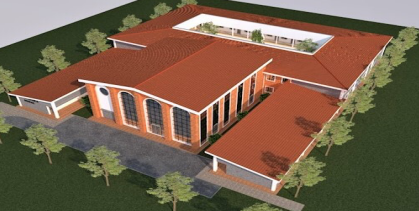
The Tat Sat Community Academy
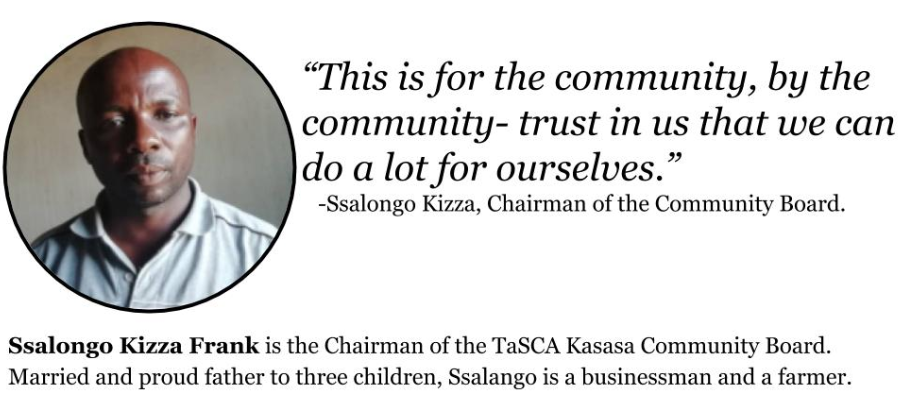
“This project is for the community, by the community, trust in us that we can do a lot for ourselves.”
– Ssalango Kizza, Chairman of the Kasasa Community Board
THE CHALLENGES

IN UGANDA, formal education was introduced mainly as a part of the process of political conquest – many indigenous traditions have been replaced with western-style schooling.
Now, with 55% of Uganda’s population under 18 and 78% under 35,* many traditions are dying out.
As youth leave elders in the villages for the promise of a better life in urban centers, they are often ill-equipped by the current system of education…
I
The rates of children attending secondary school are staggeringly low at 19.7%, which drops to only 4.9% of the poorest girls in the country [UNICEF].
II
With secondary schools being mostly private, lack of access to financial resources makes secondary school too expensive for most families.
III
Secondary education is devoid of relevant life skills development, arts education, and local culture.
* Ugandan Bureau of Statistics (2019)
– Language adapted from the Peace Africa Children’s Ensemble’s TaSCA Proposal
THE COMMUNITY OF KASASA HAD A VISION
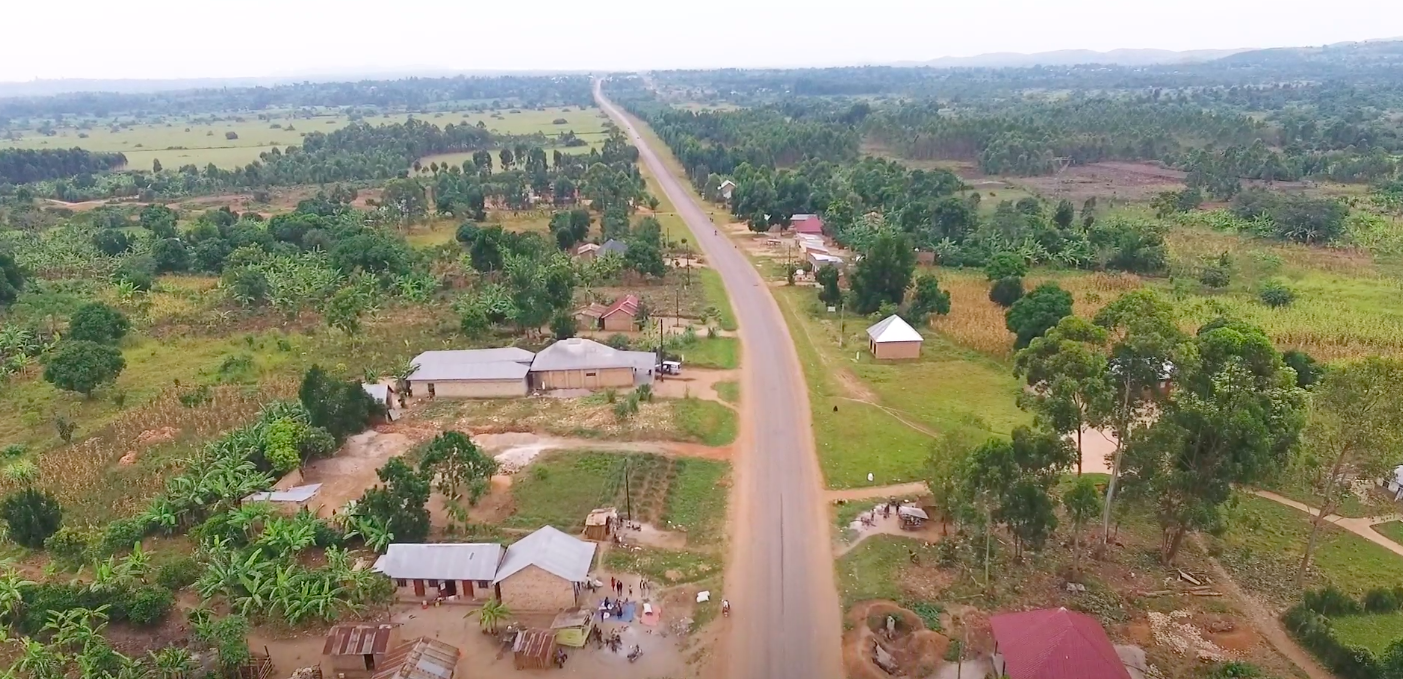
The rural municipality of Kasasa, Uganda has formed a Community Board, and partnered with the Peace Africa Children’s Ensemble – a trusted local arts and education nonprofit – to collaborate on the Tat Sat Community Academy, or the TaSCA project.
The TaSCA project has THREE PILLARS These three pillars are dynamic and interwoven, putting the local initiative on a path towards autonomy and sustainability in 3 years.
THE THREE PILLARS OF THE TASCA PROJECT
I
A Secondary School merging communal knowledge, skill based training, and formal education.
II
The Institute of Indigenous Cultures and Performing Arts (ICPA), which will engage the larger community in the cultivation and preservation of common heritage.
III
A Savings and Credit Cooperative Organization (SACCO), to provide community financing, student/family financial support, and economic education.
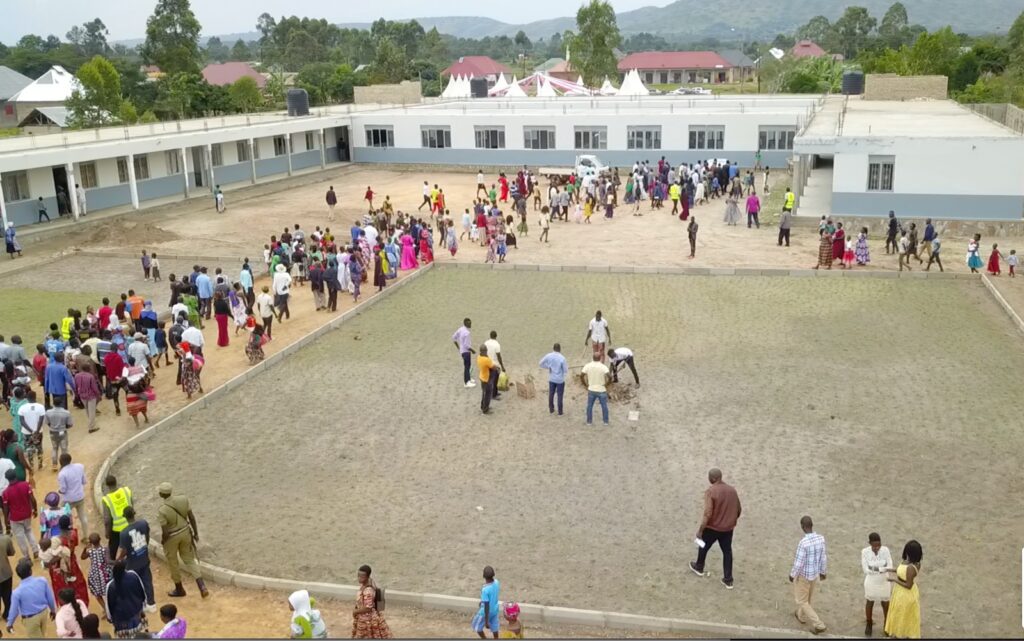
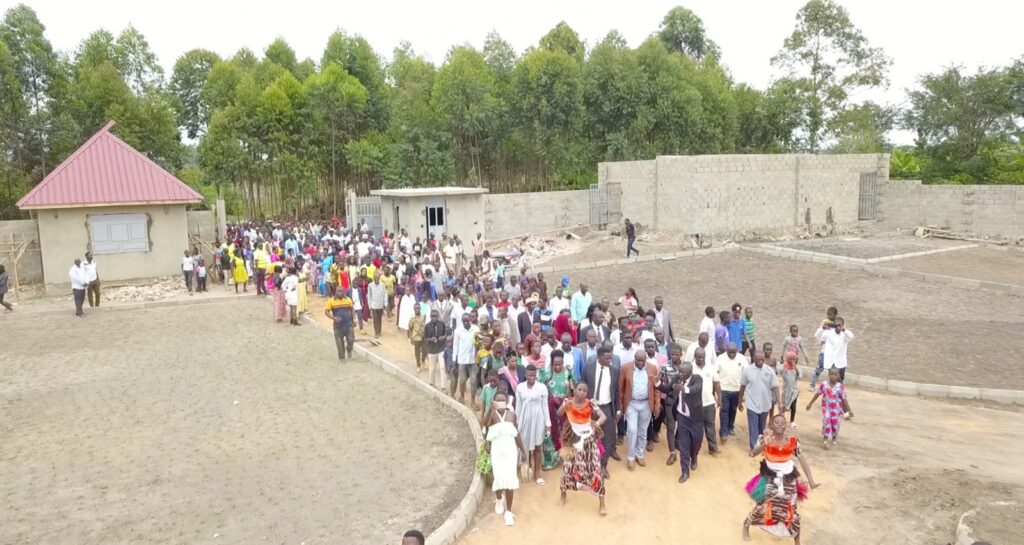
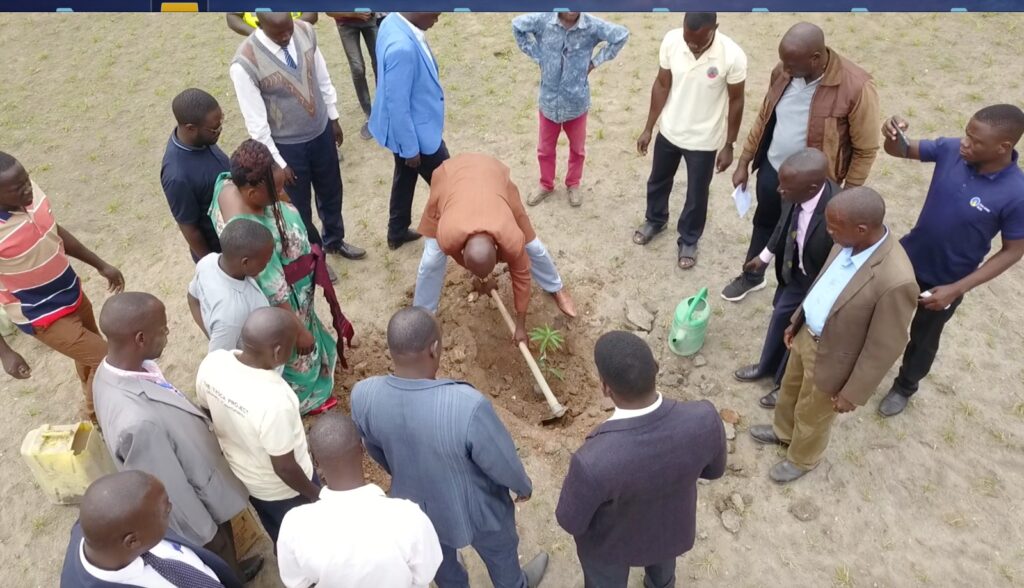
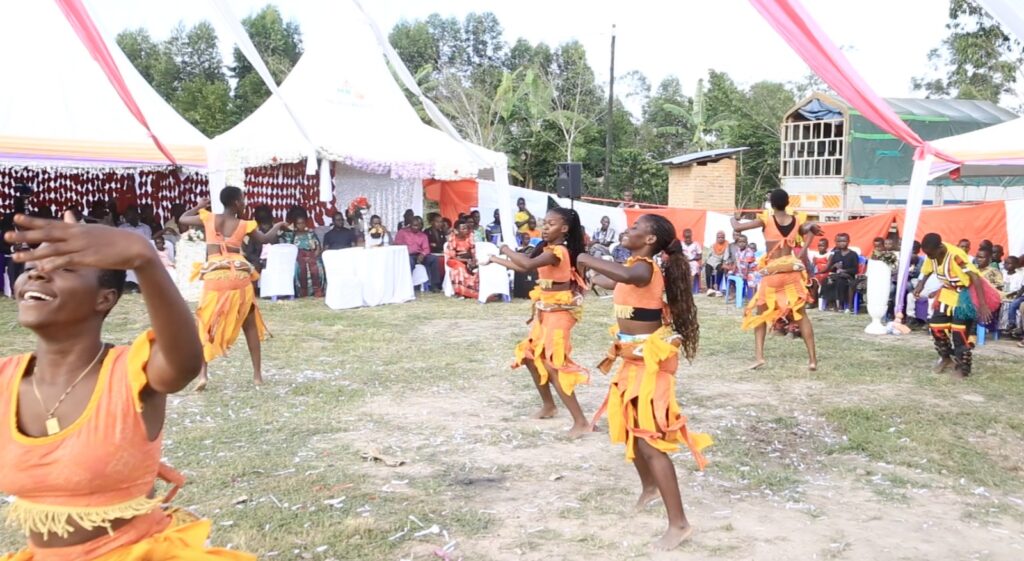
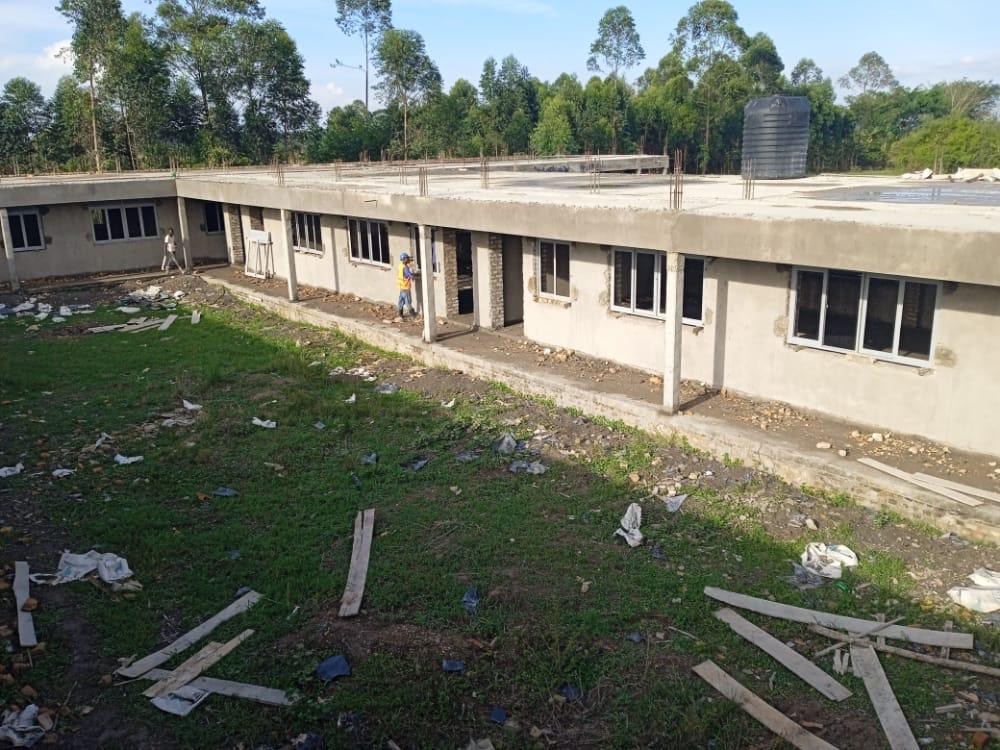
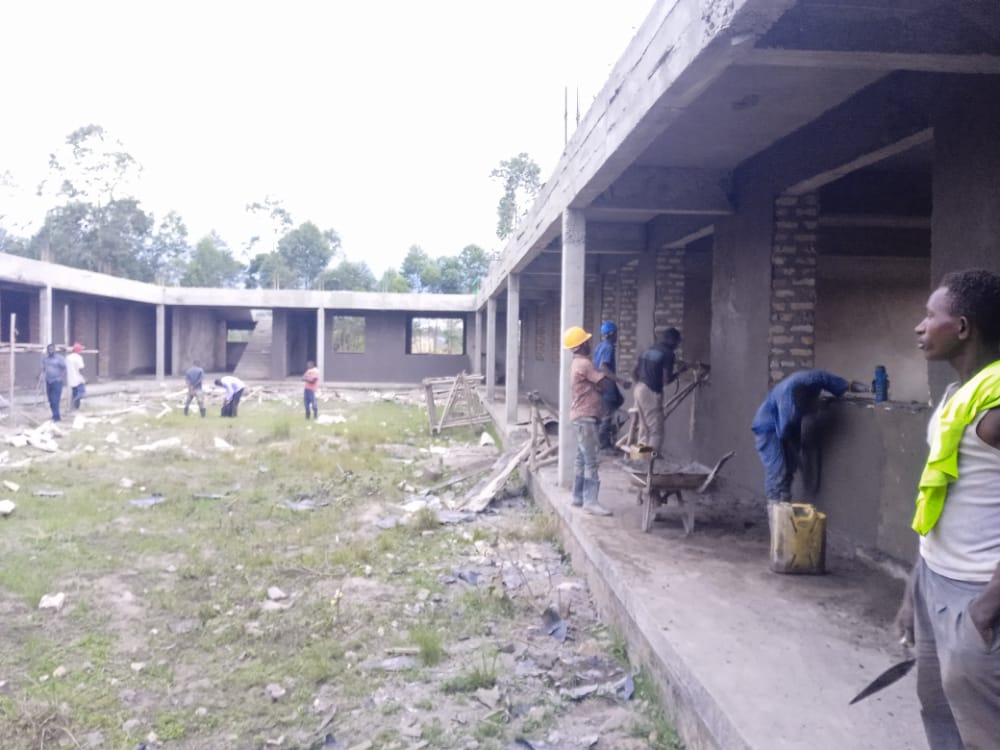
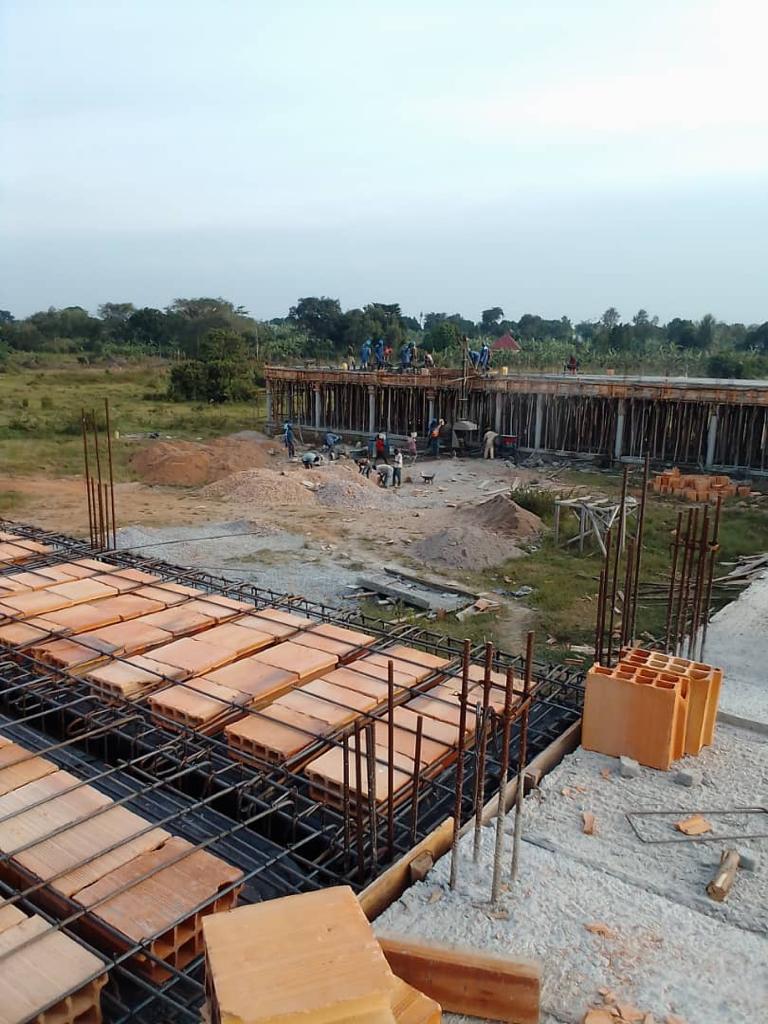
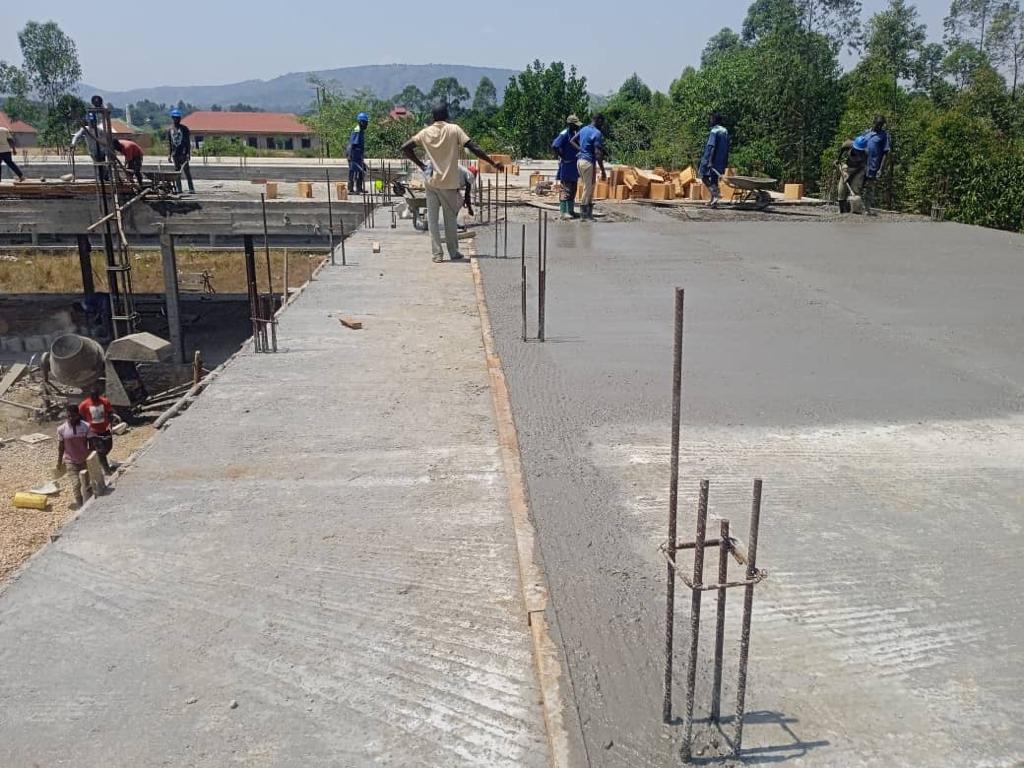
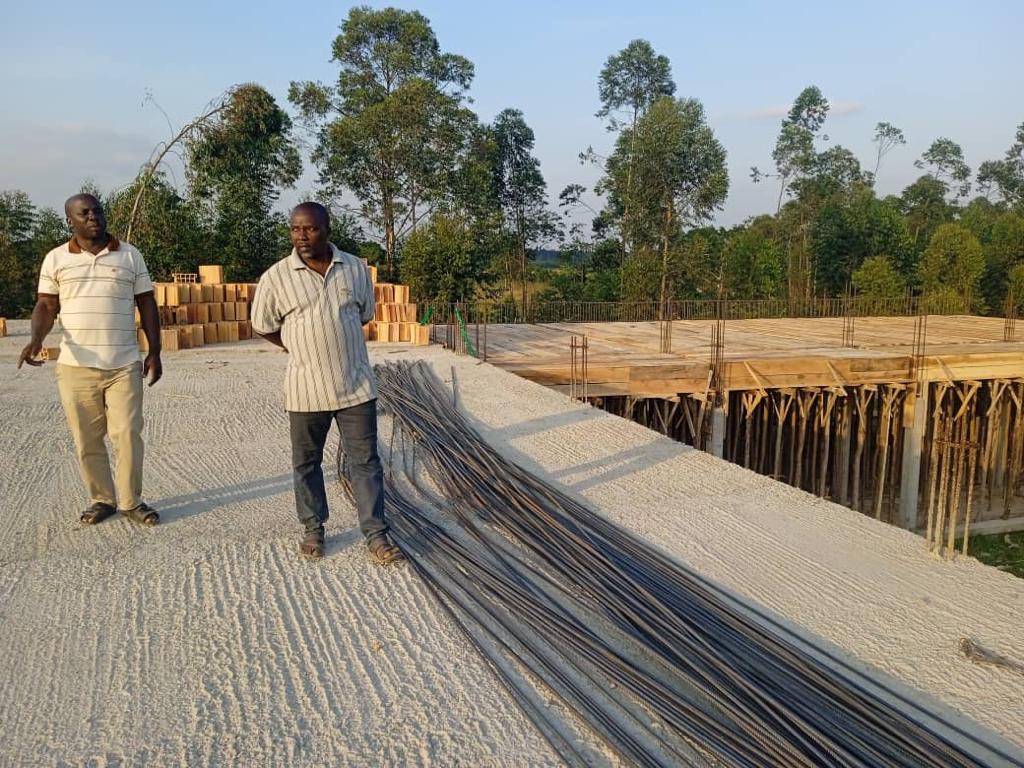
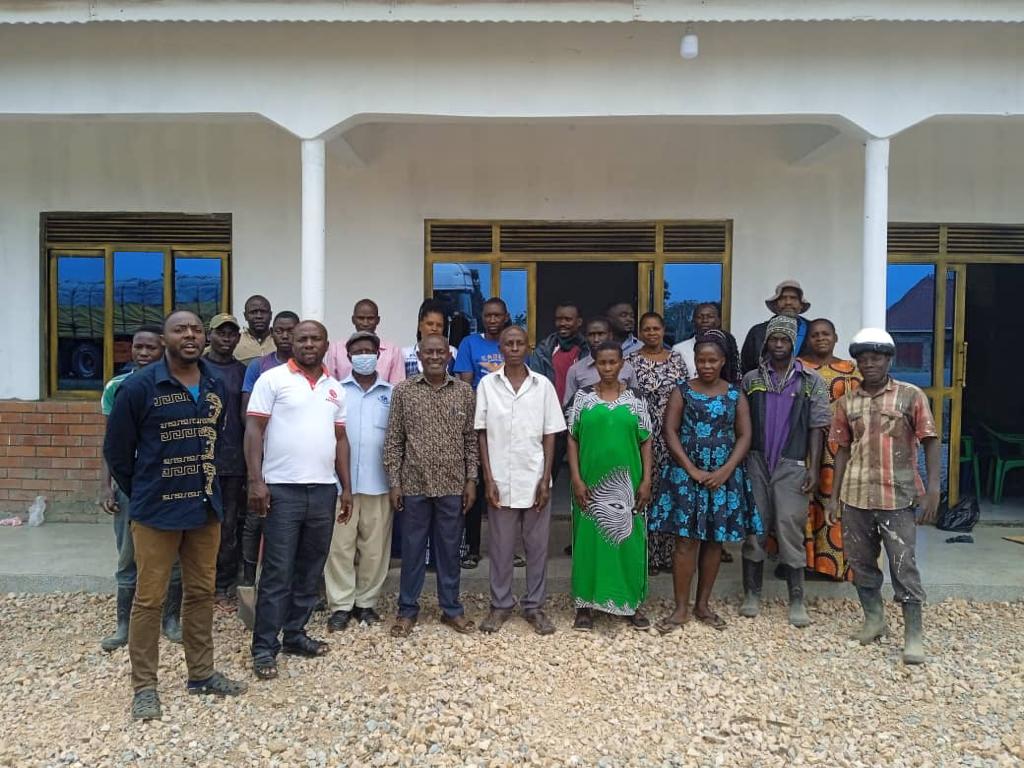
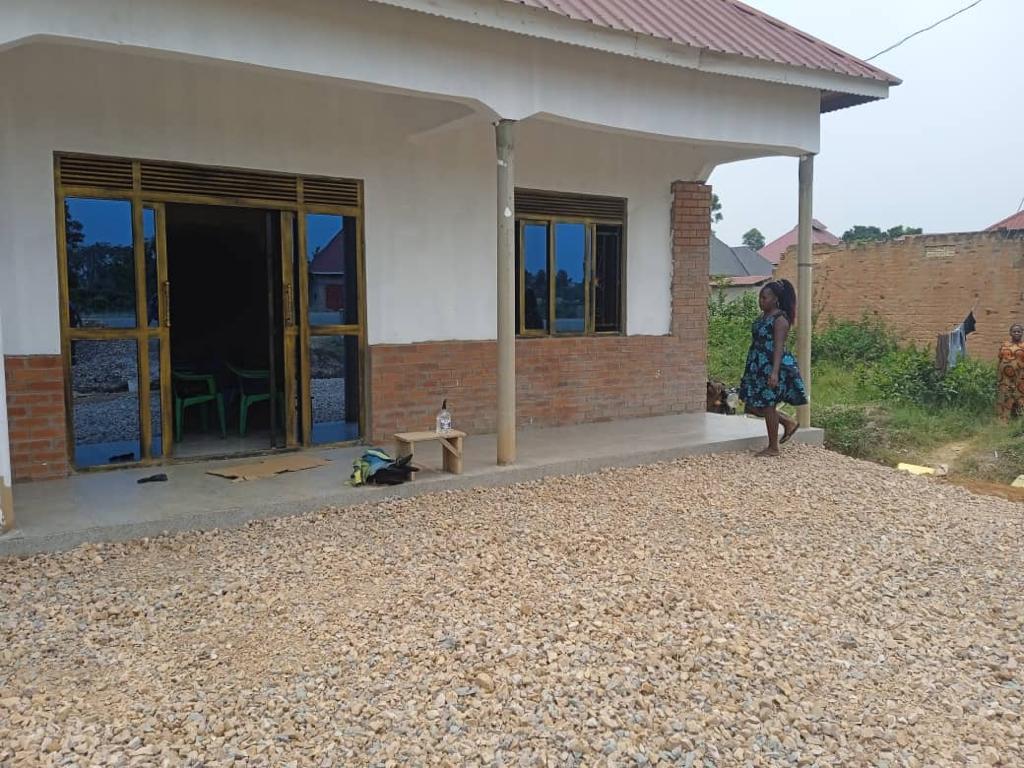
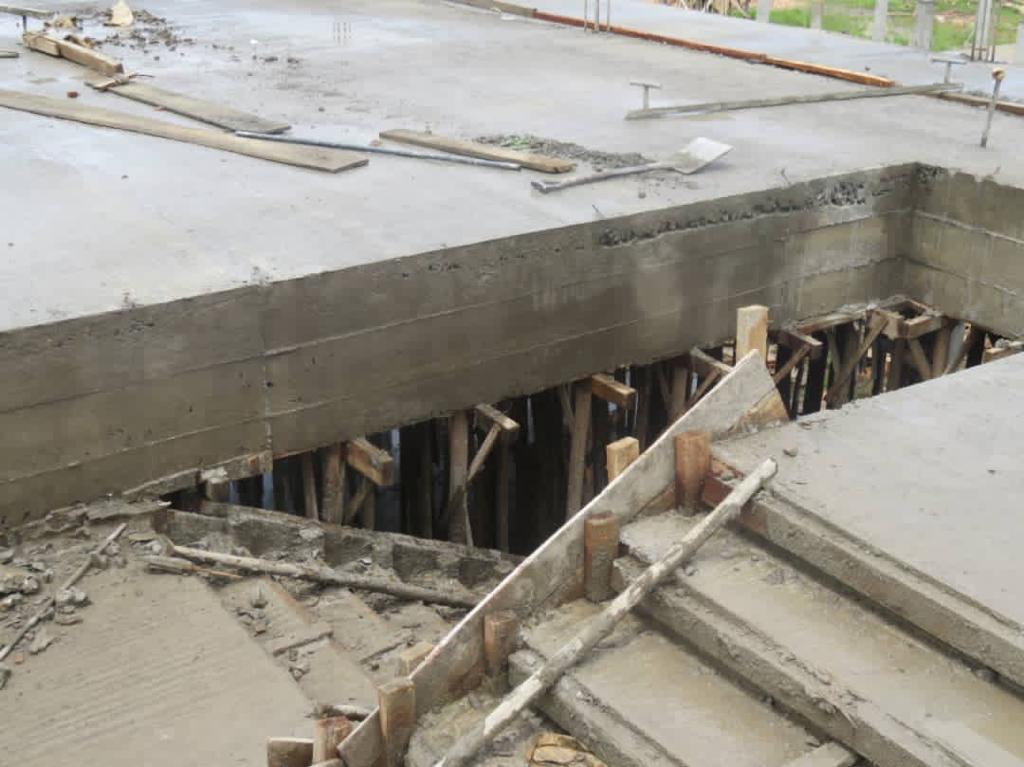
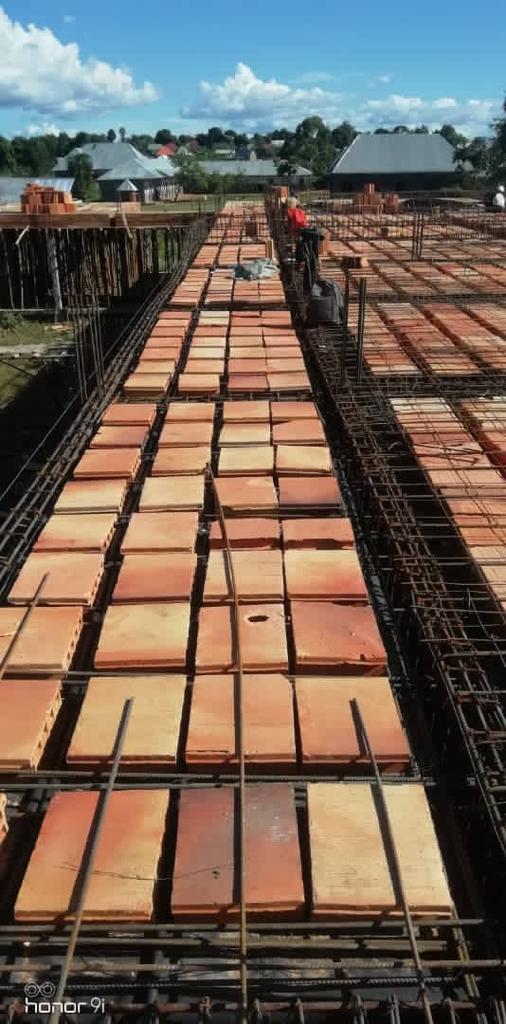
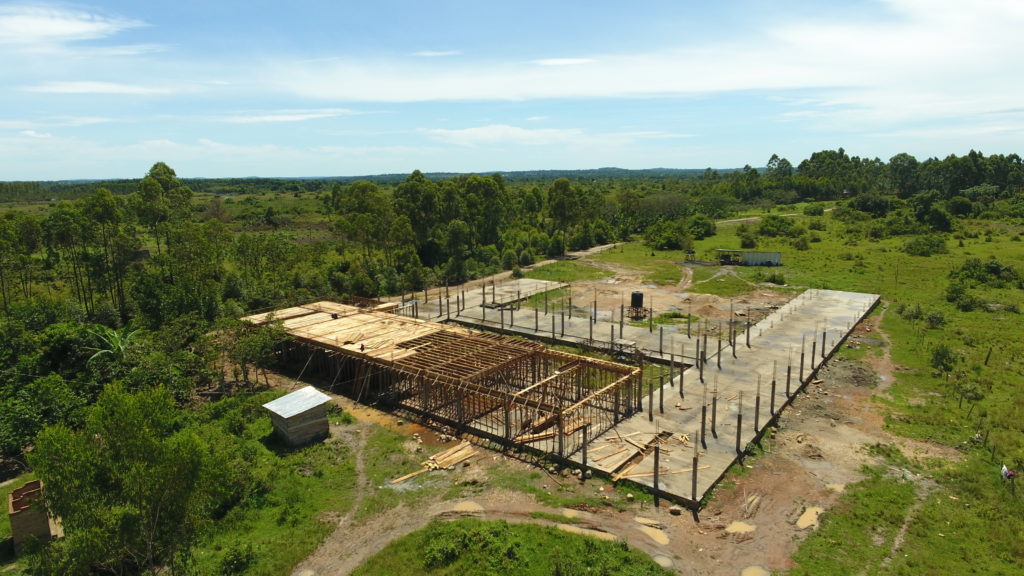
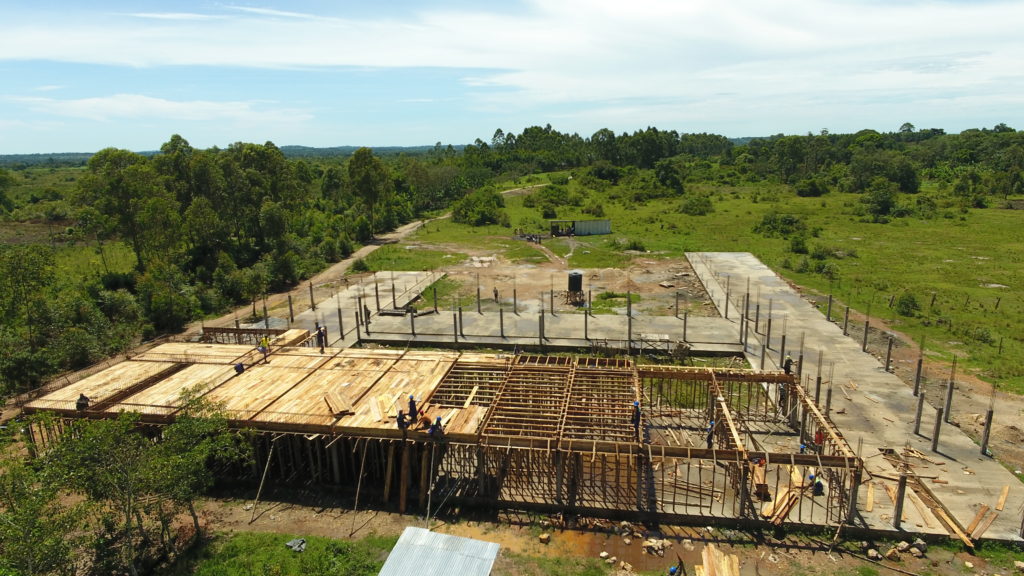
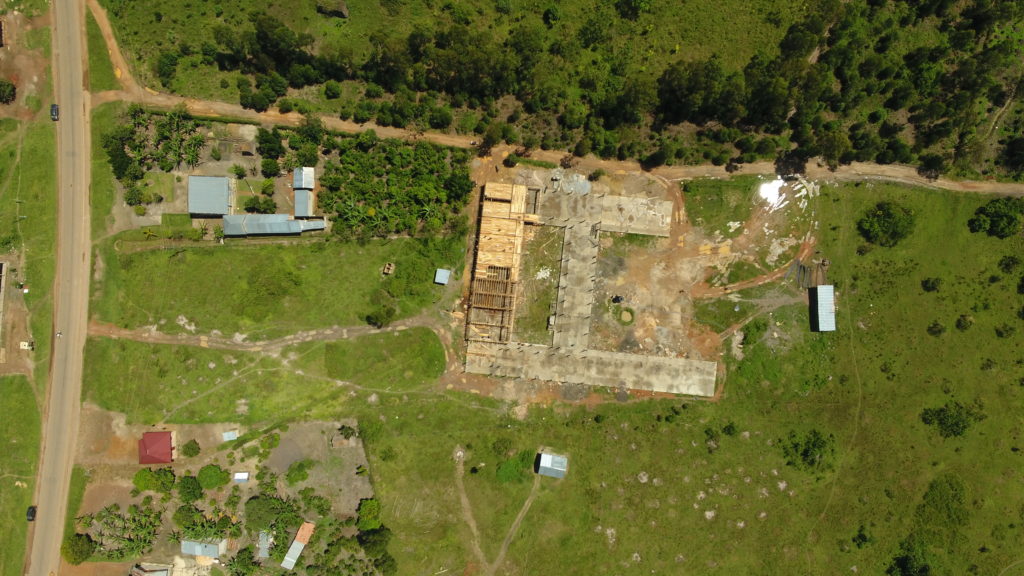
See How Far the TaSCA Project Has Come!
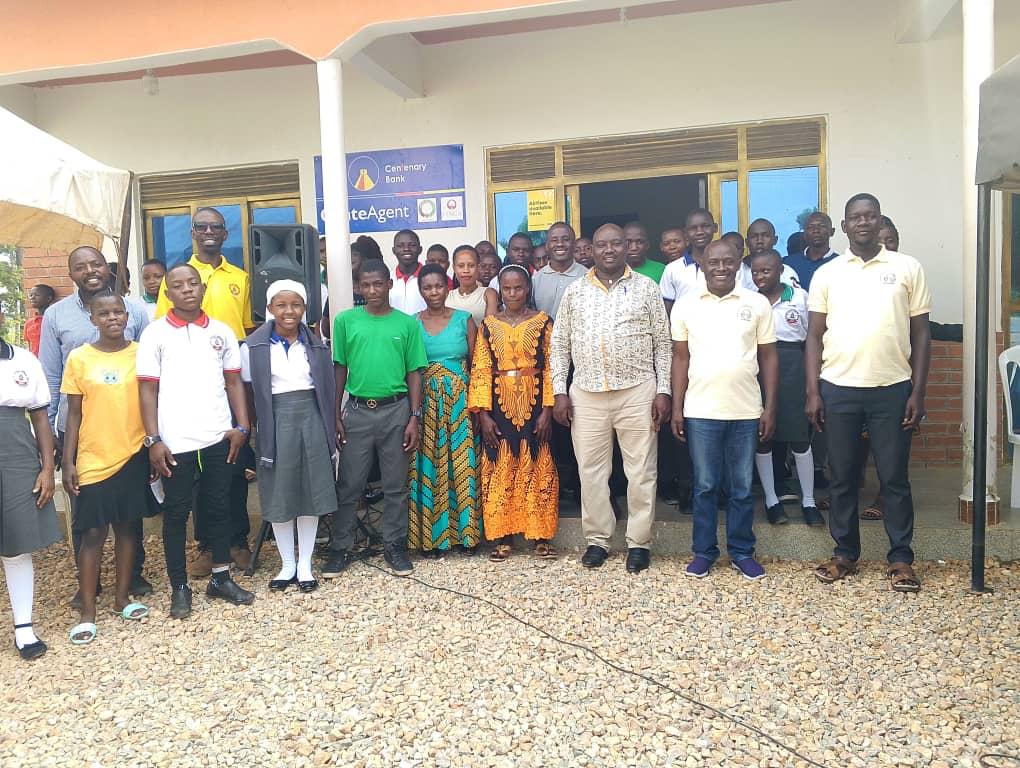
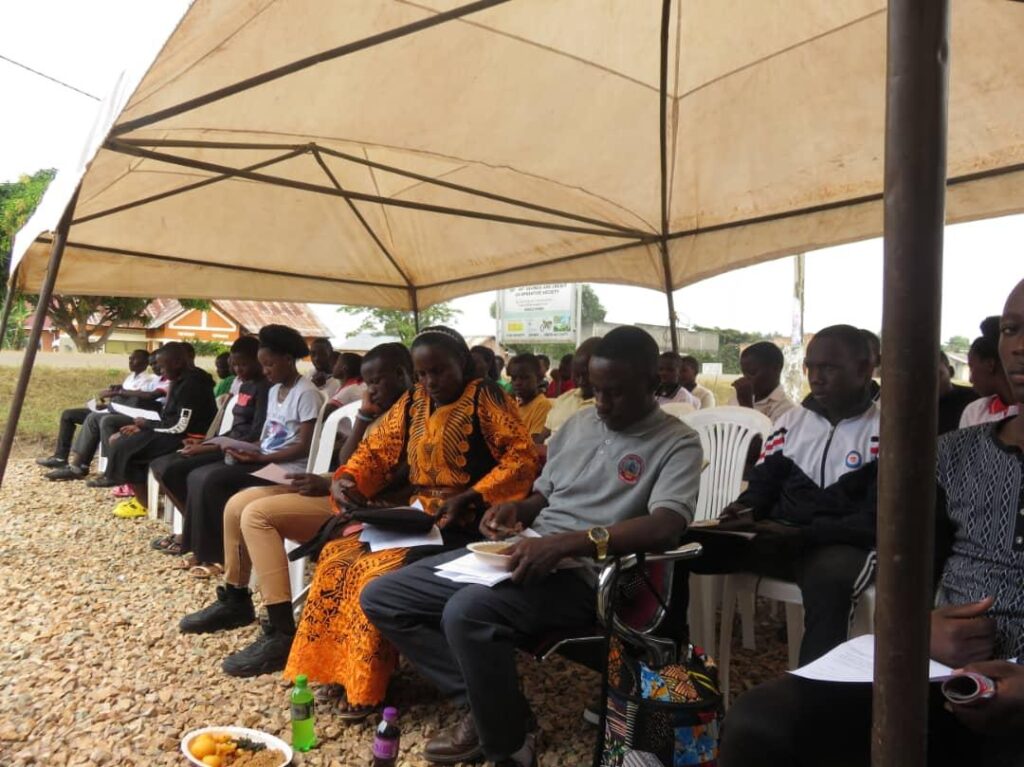
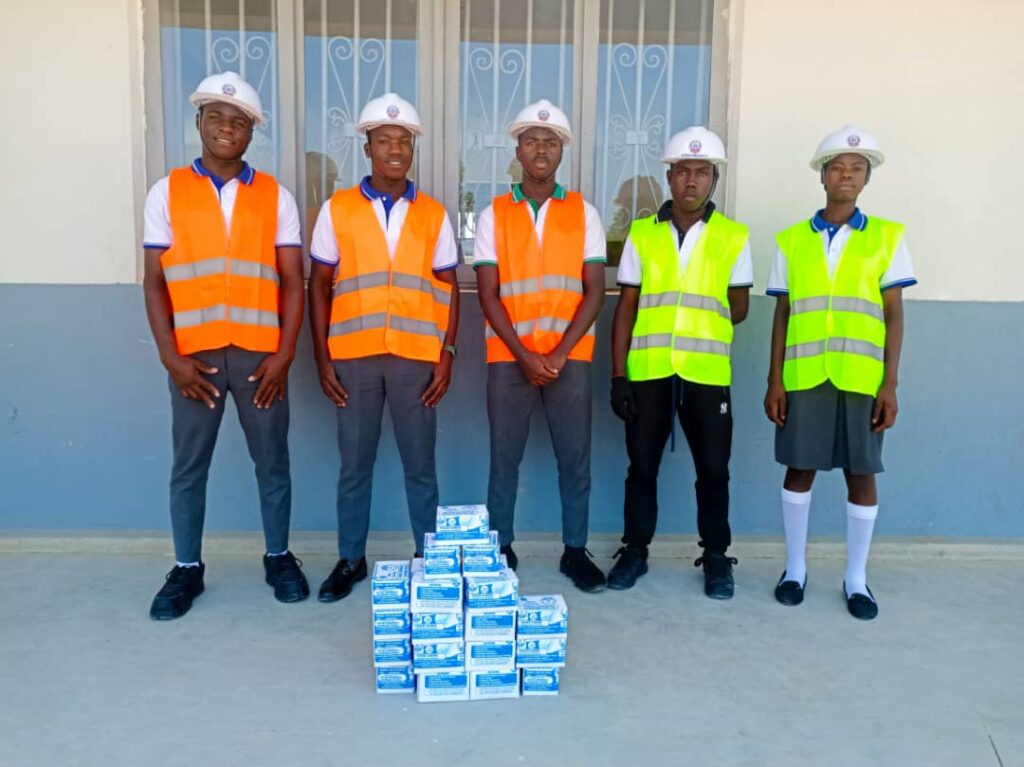
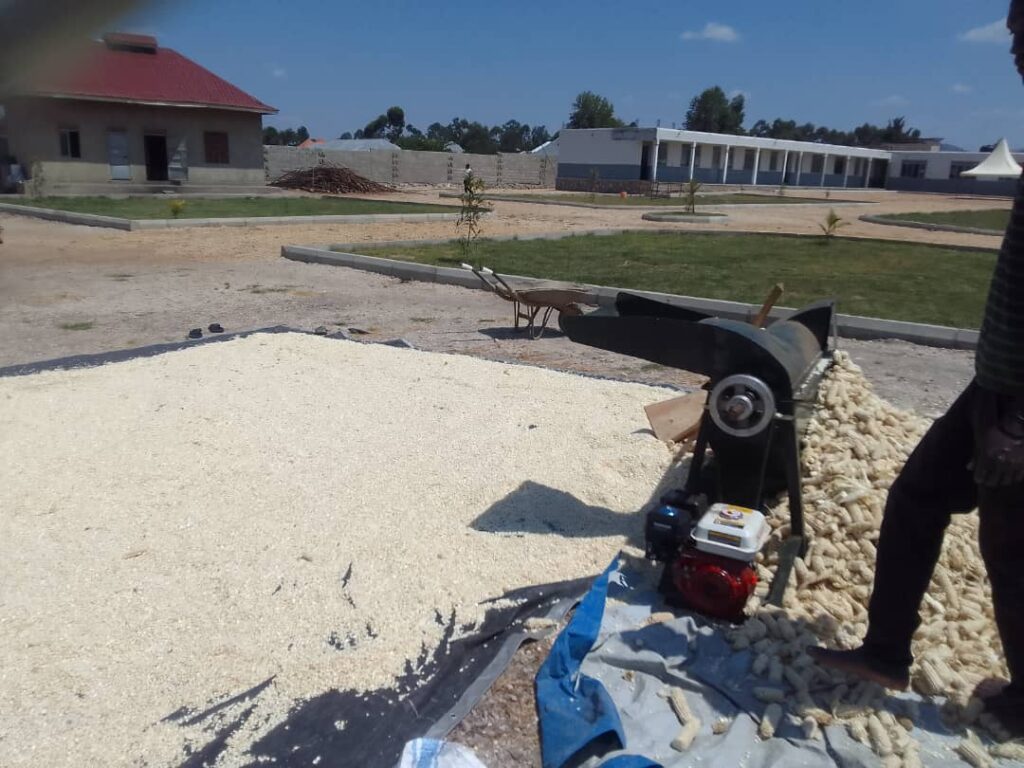
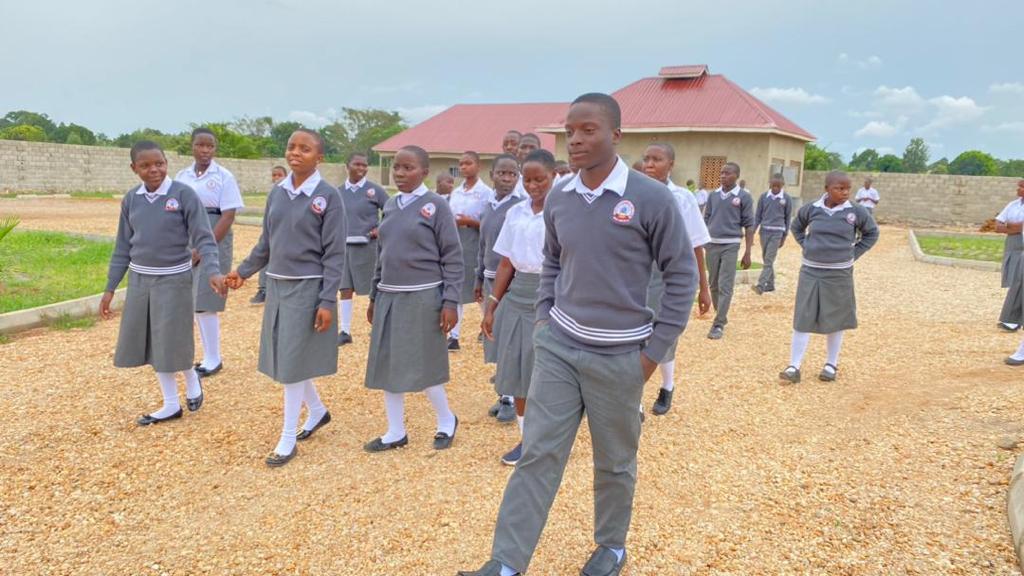
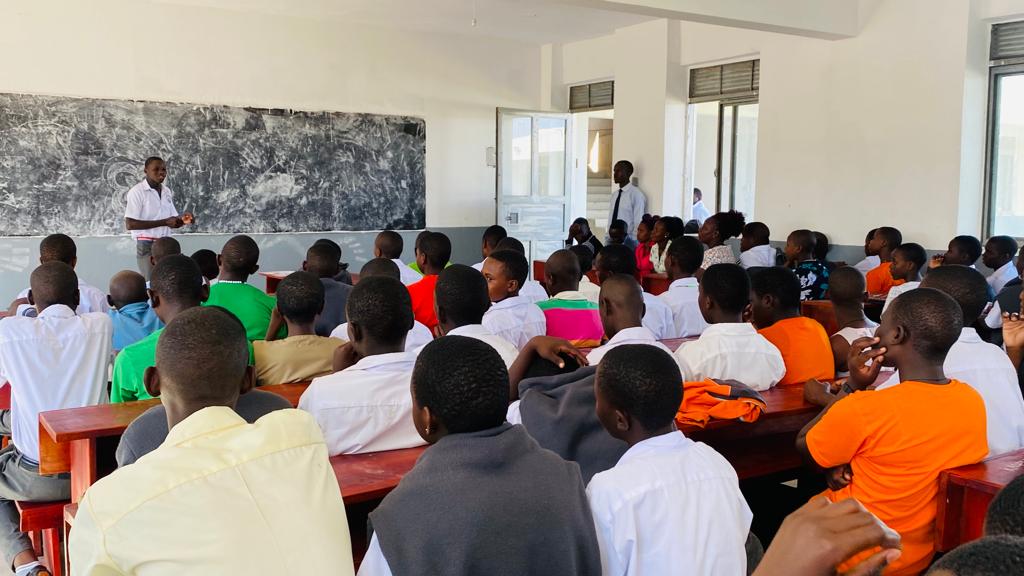
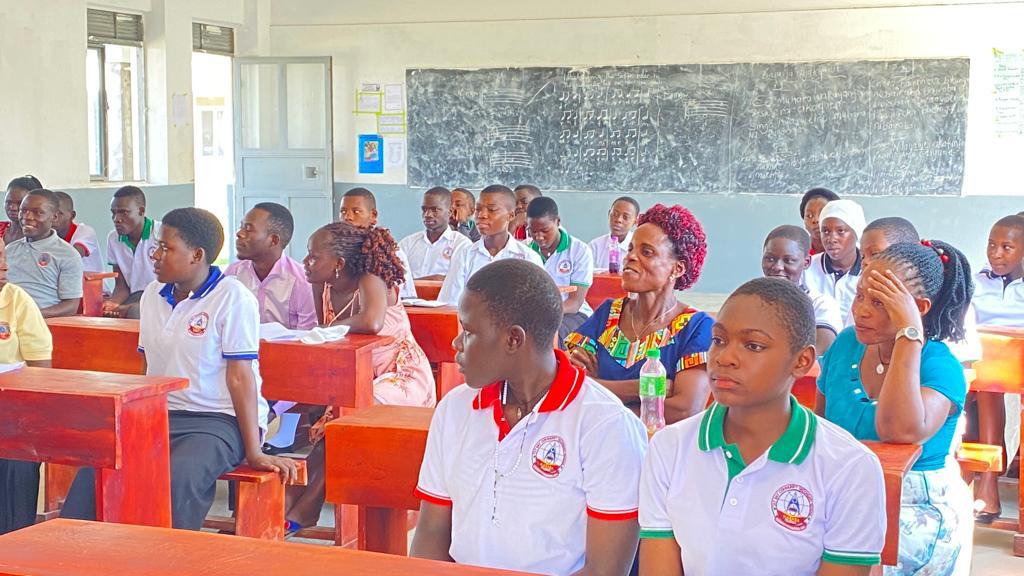
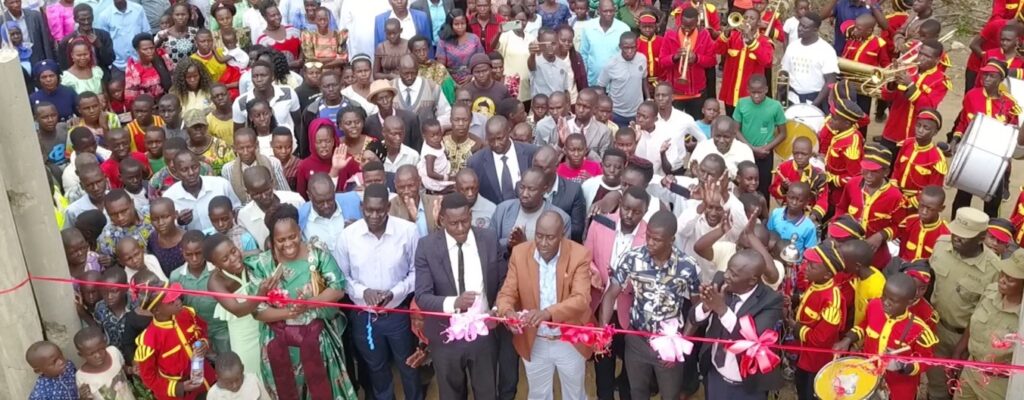
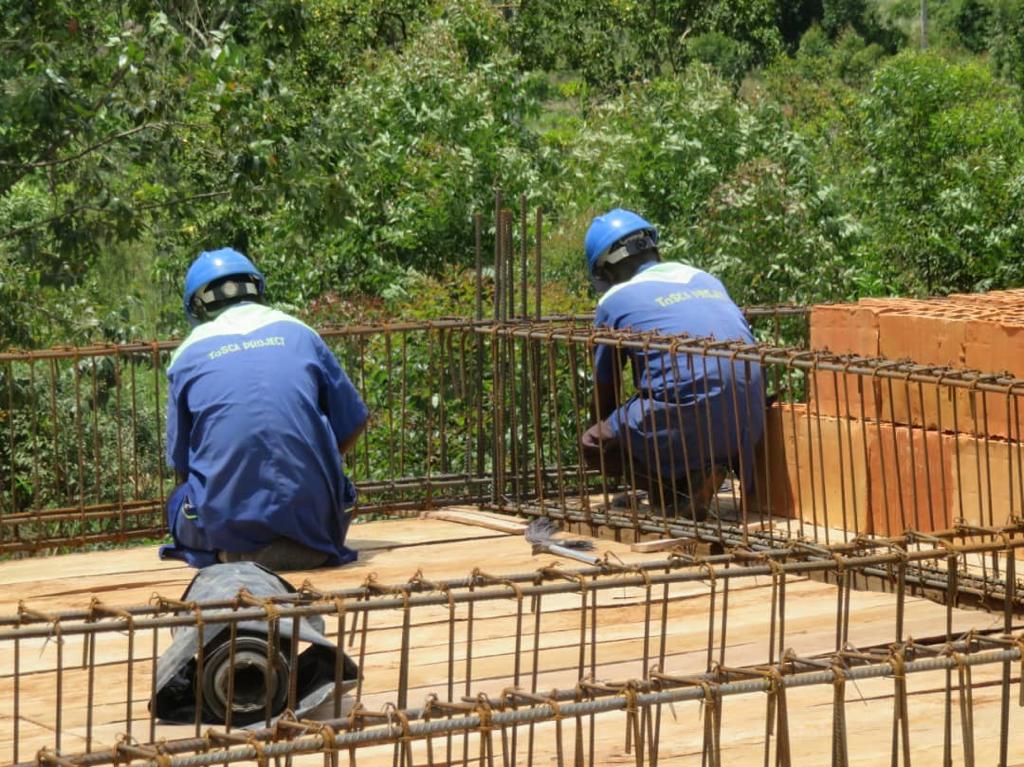
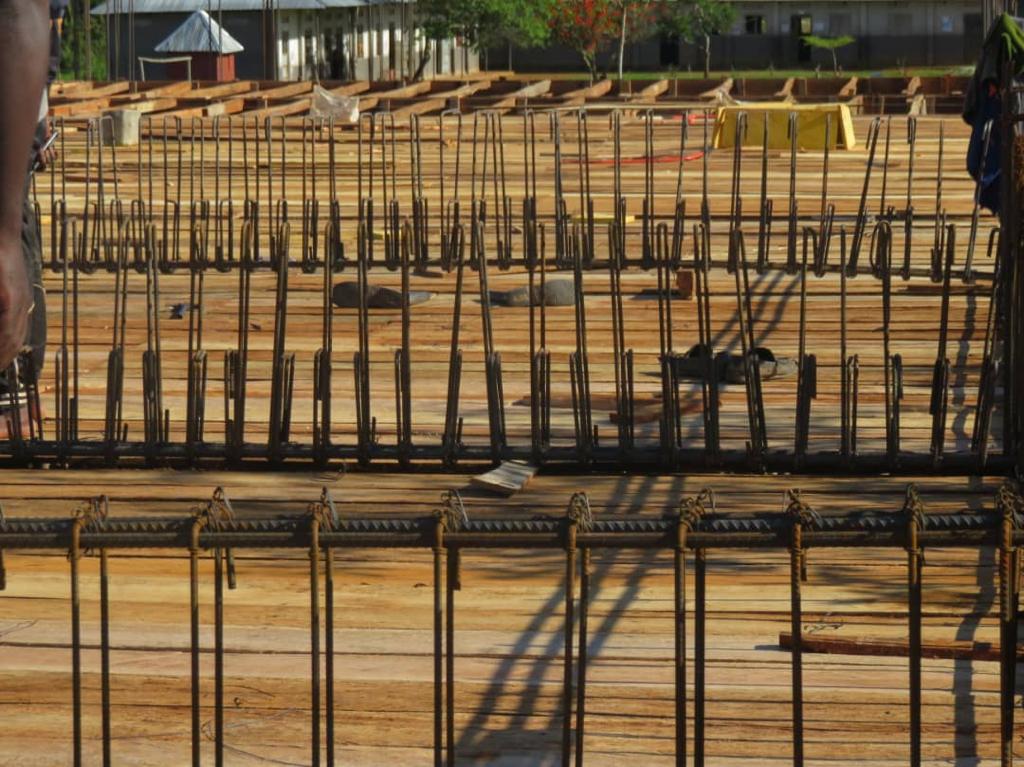
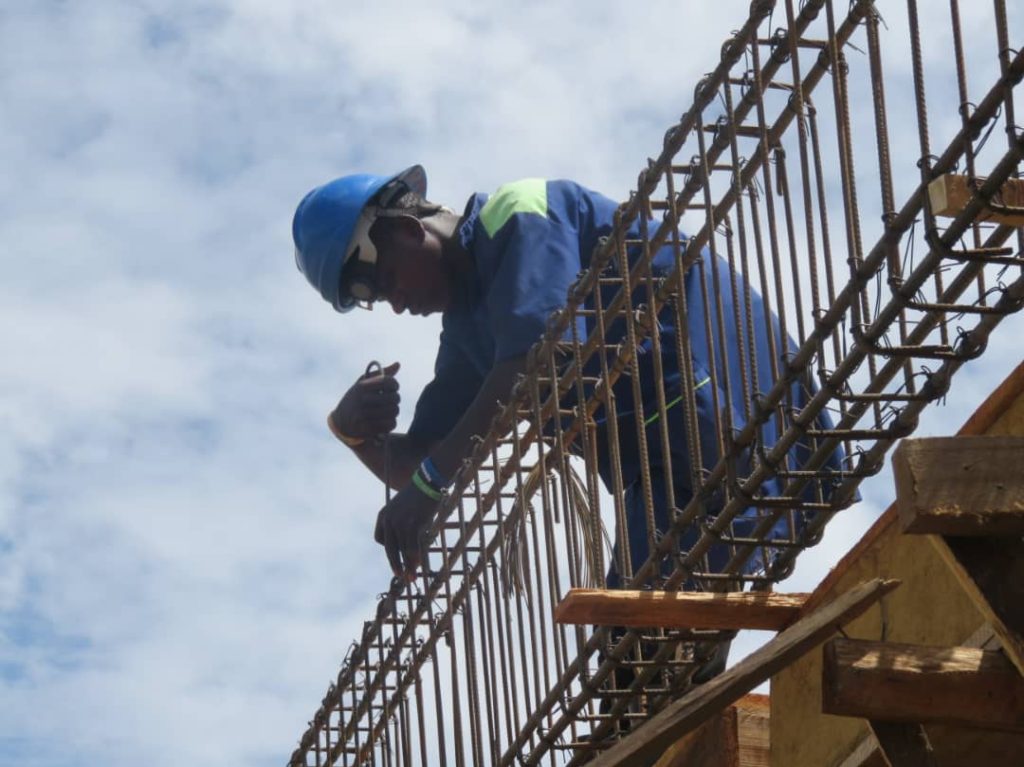
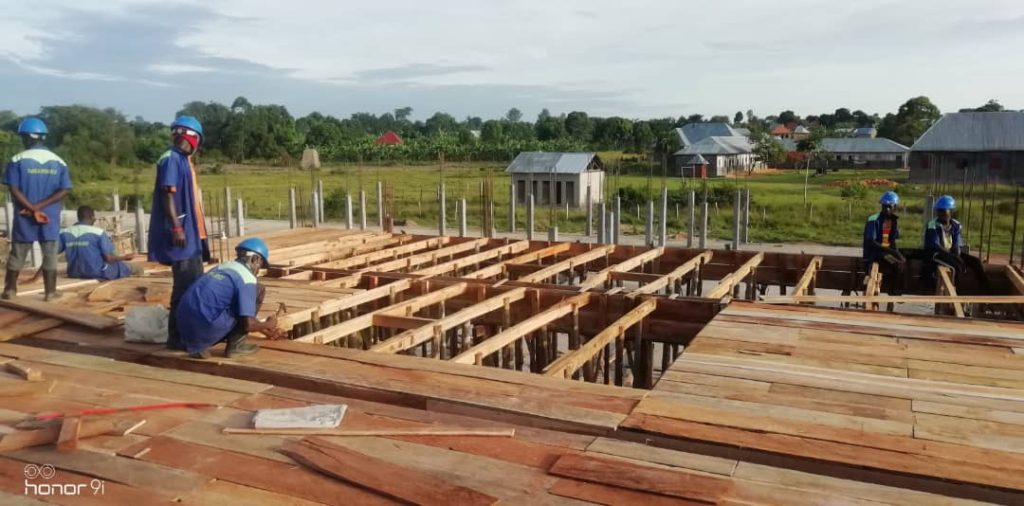
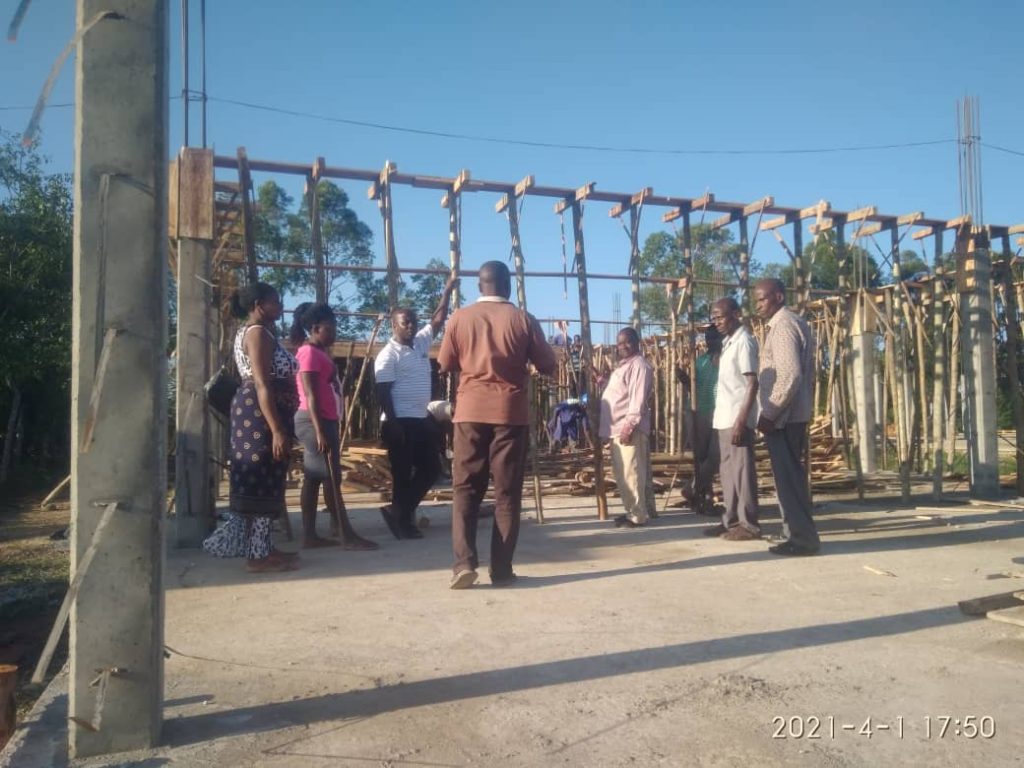
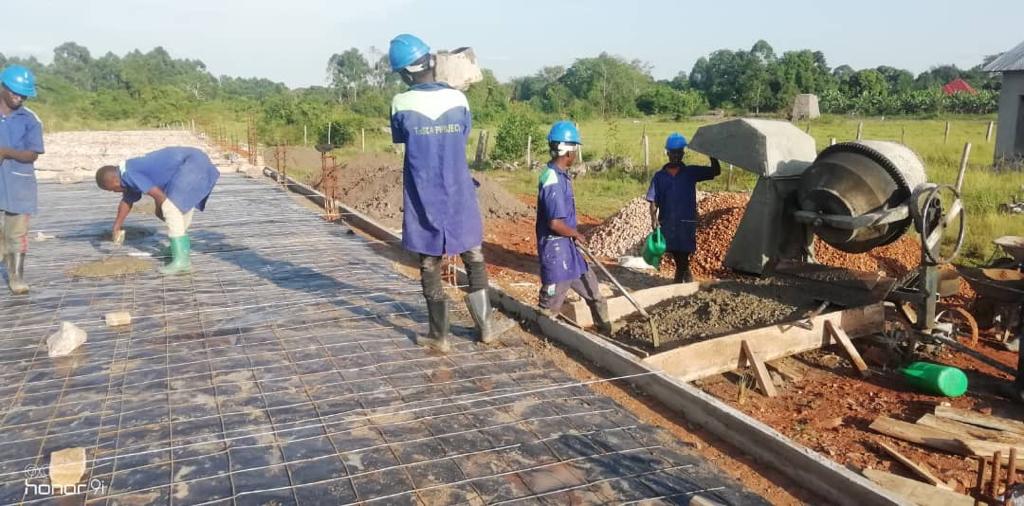

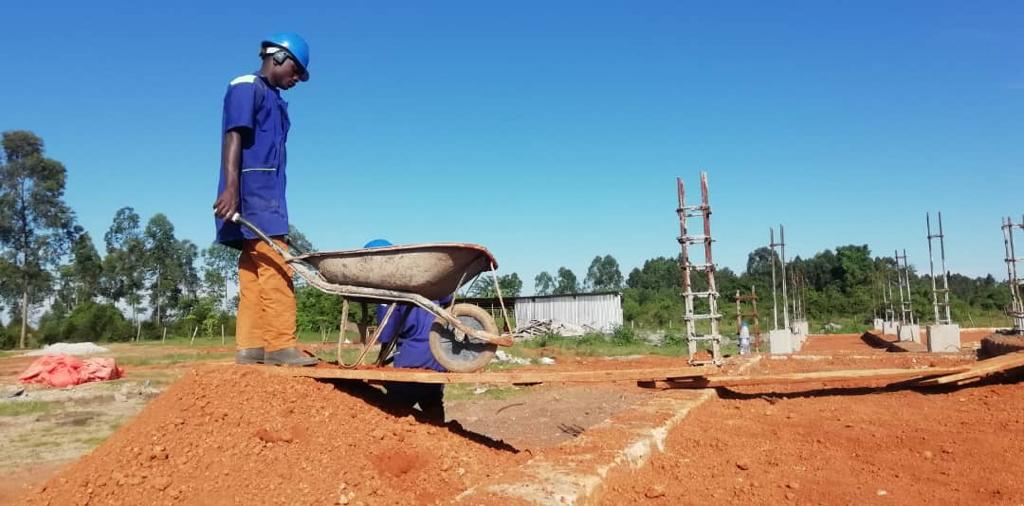
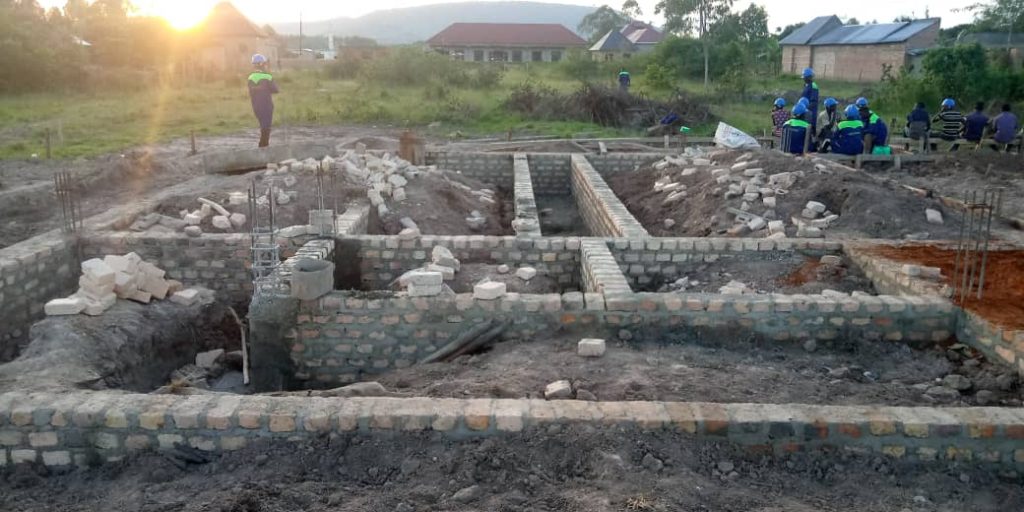
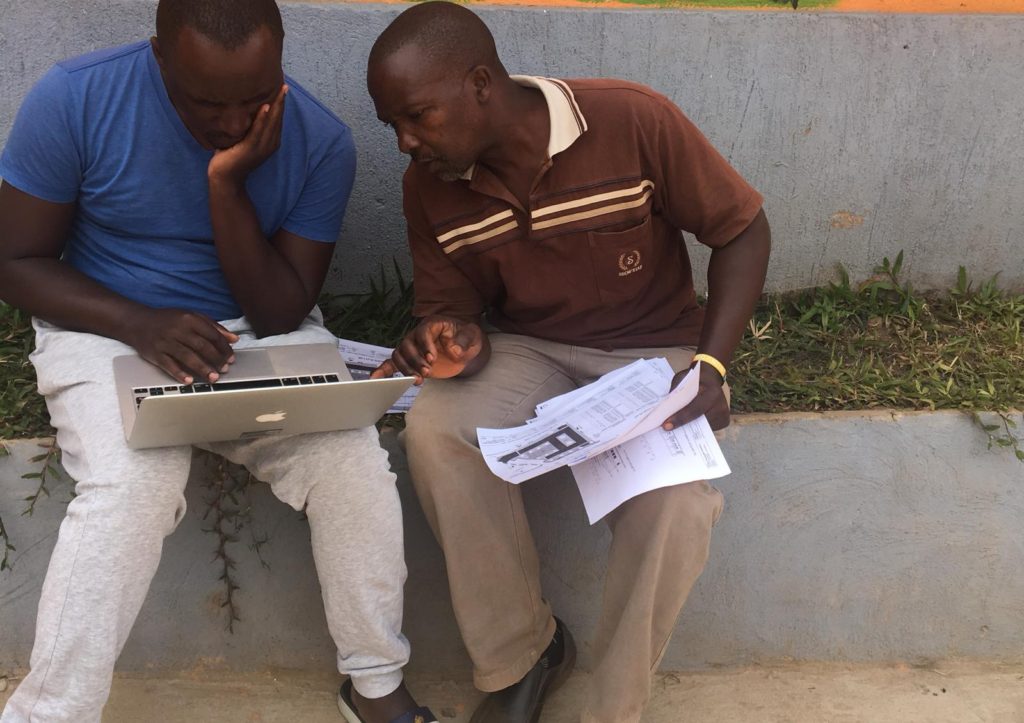
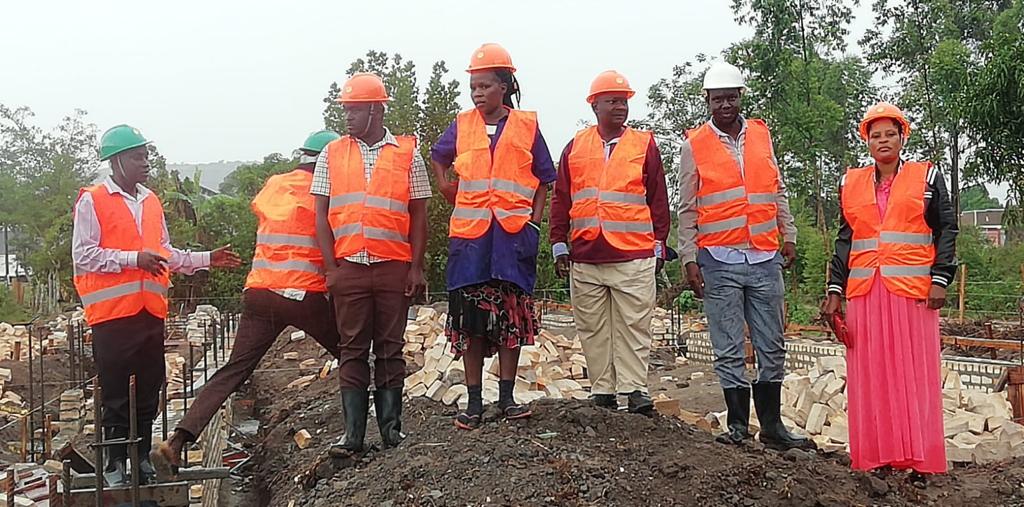
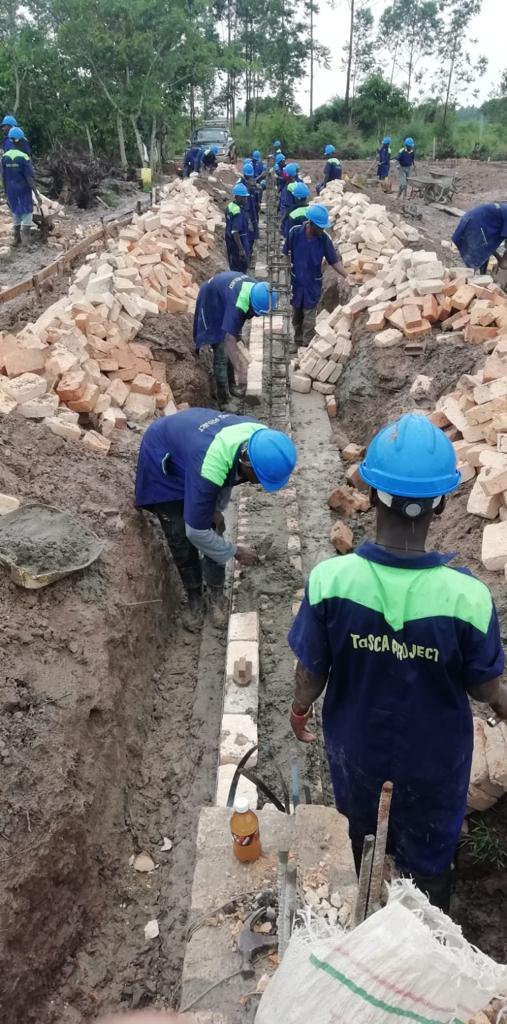
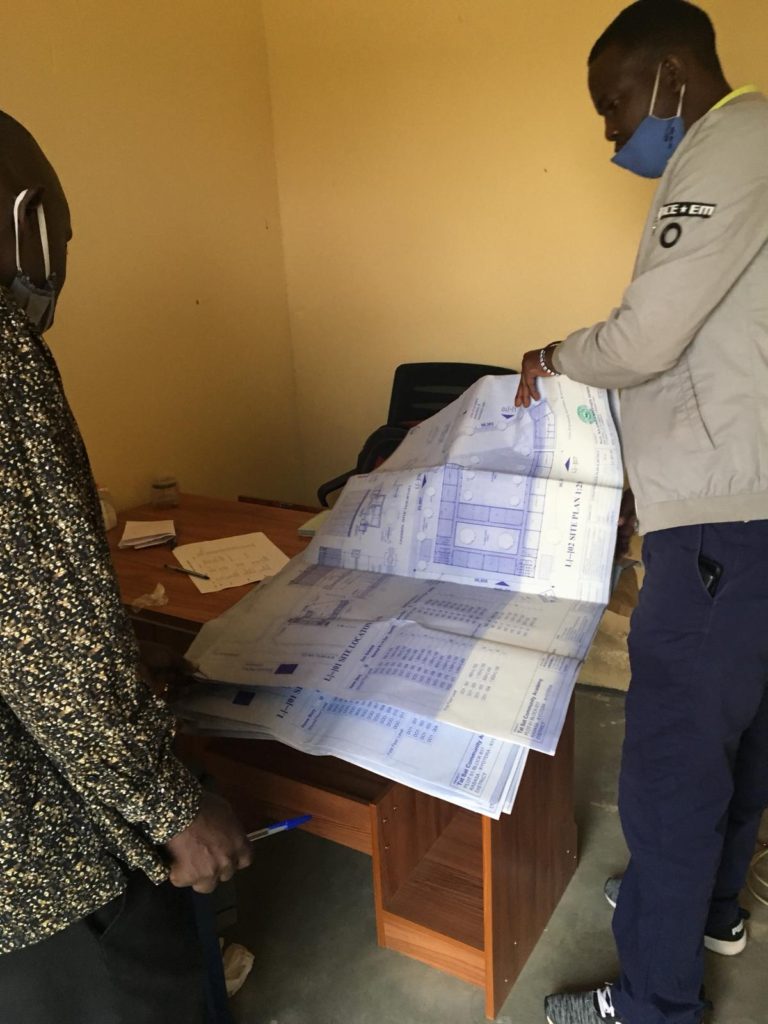
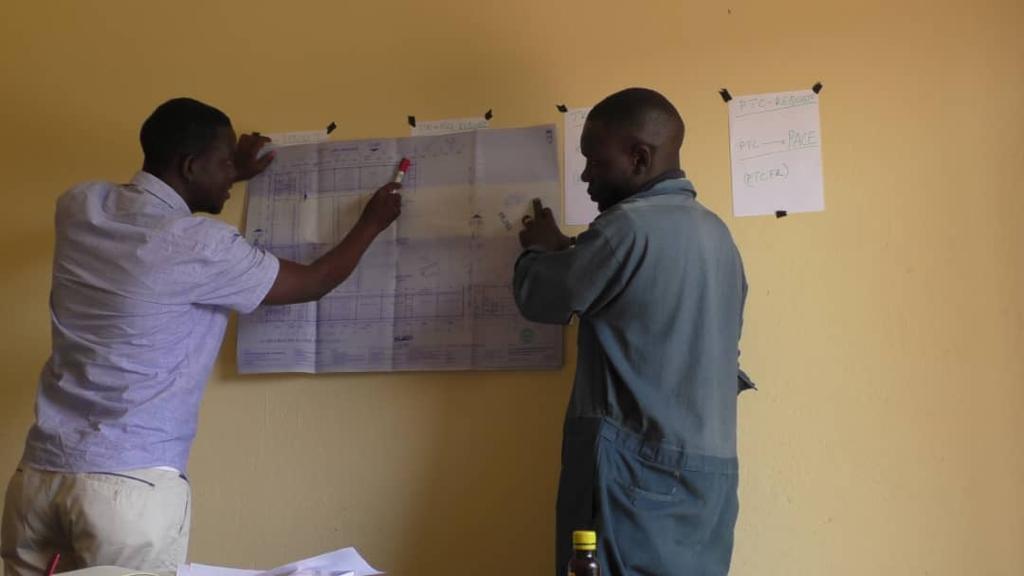
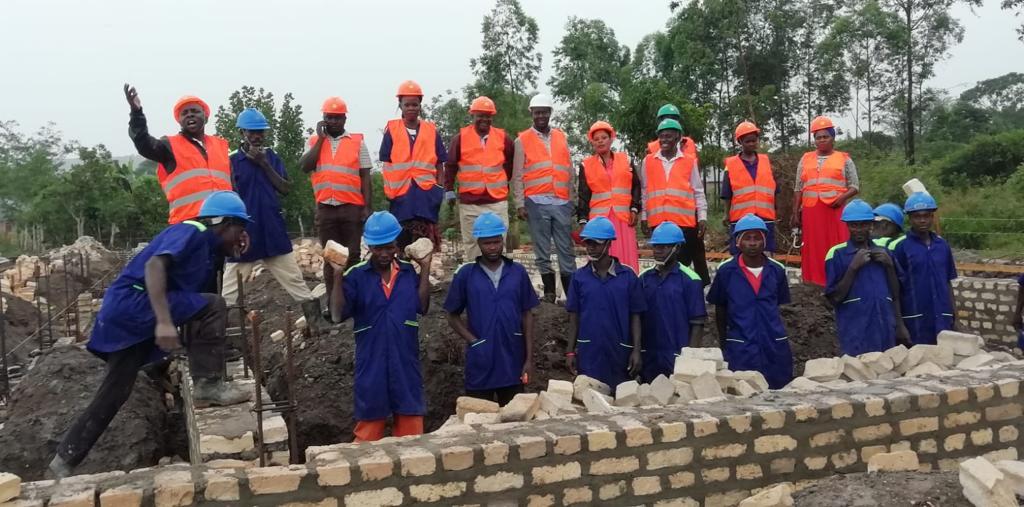
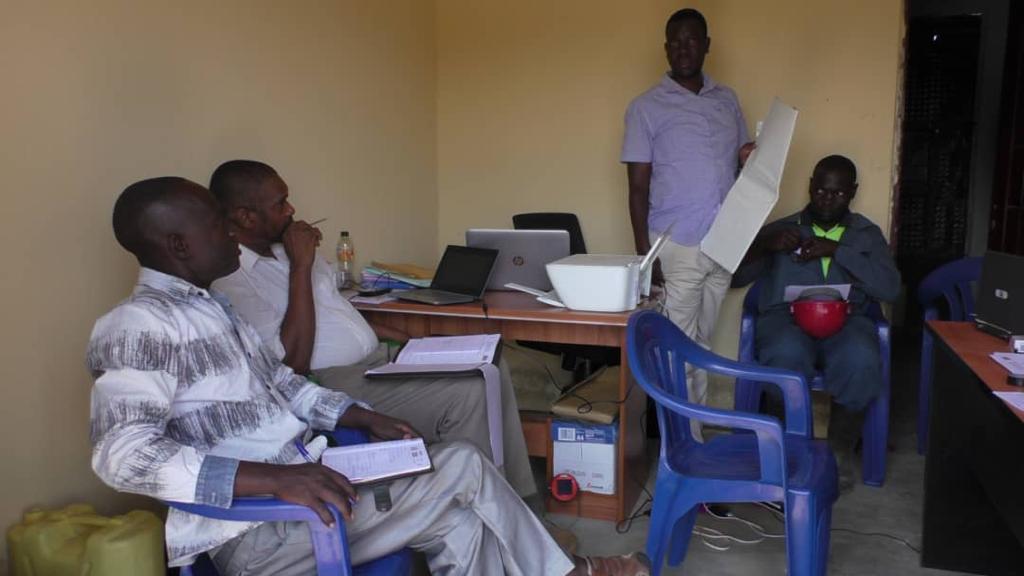
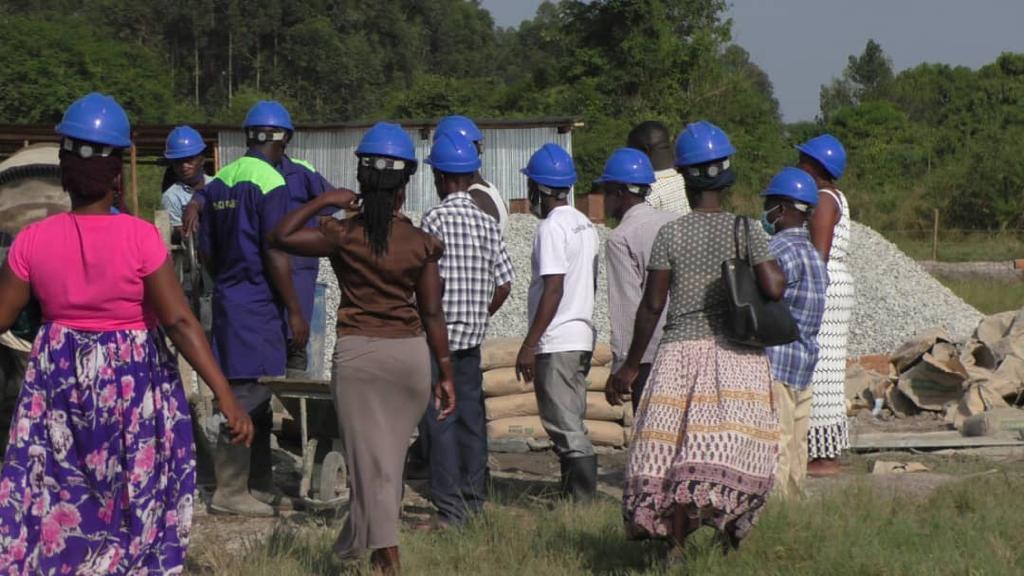
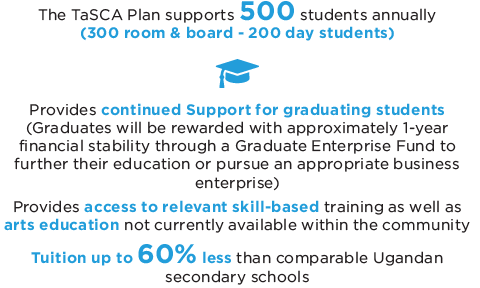
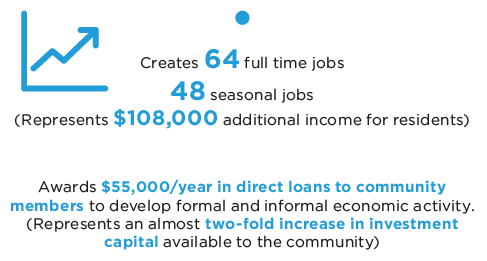
Project Impact
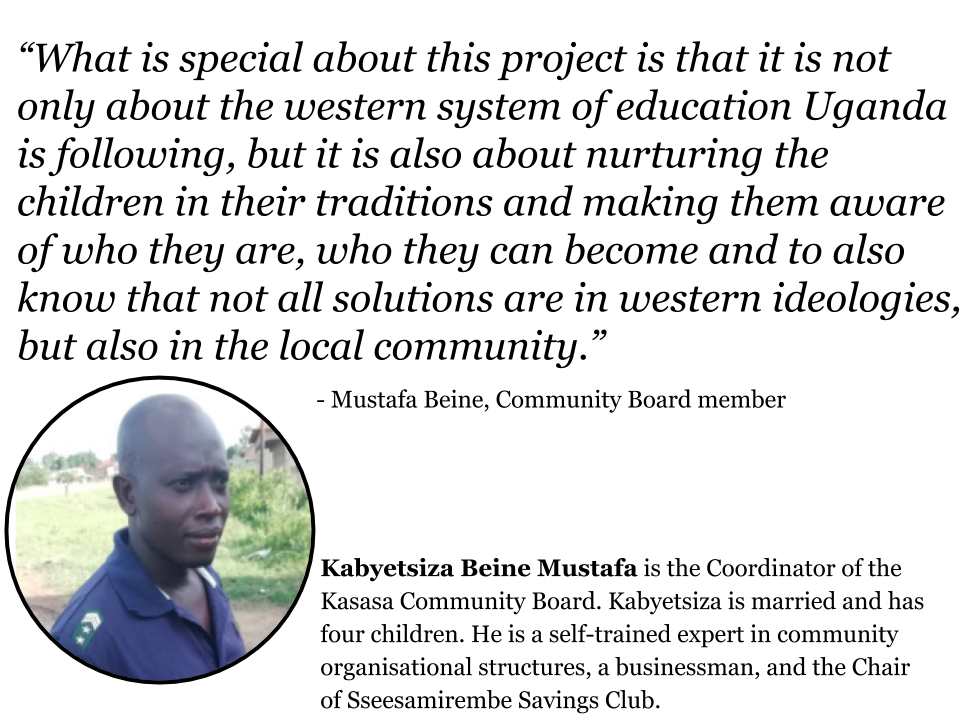
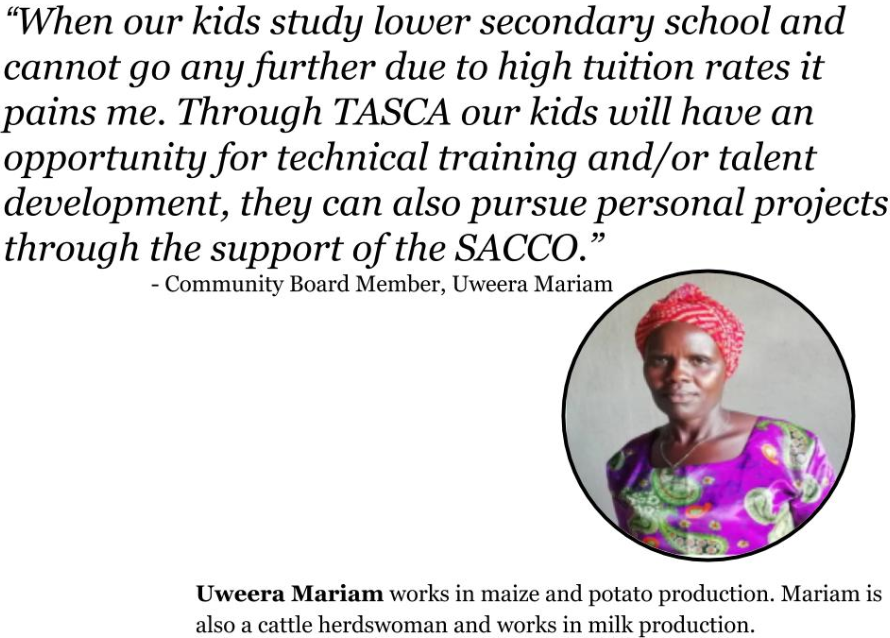
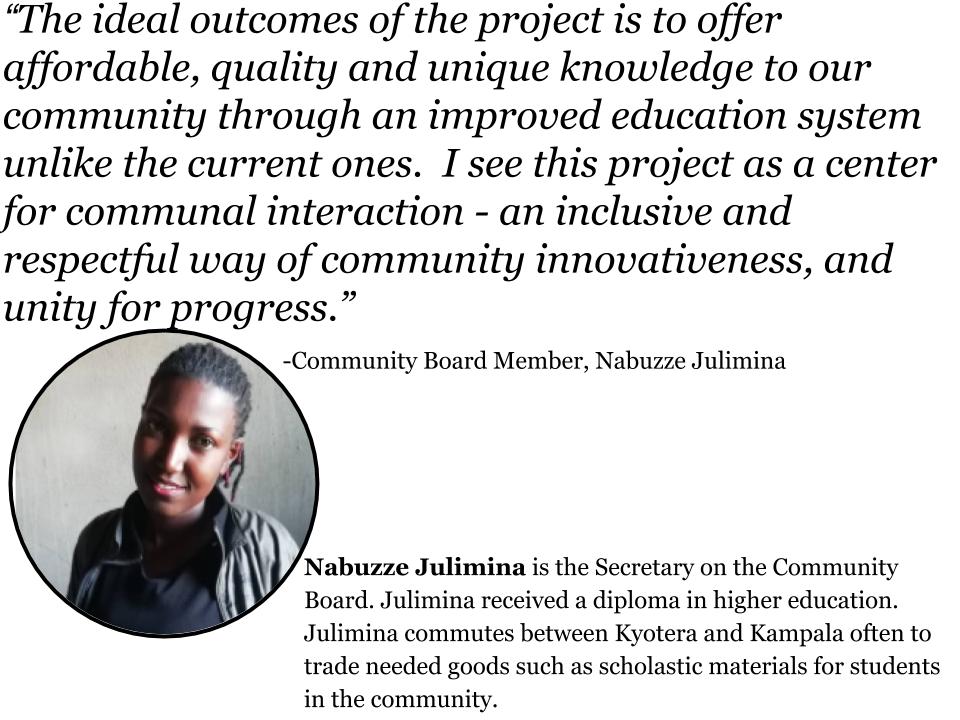
The Community Board
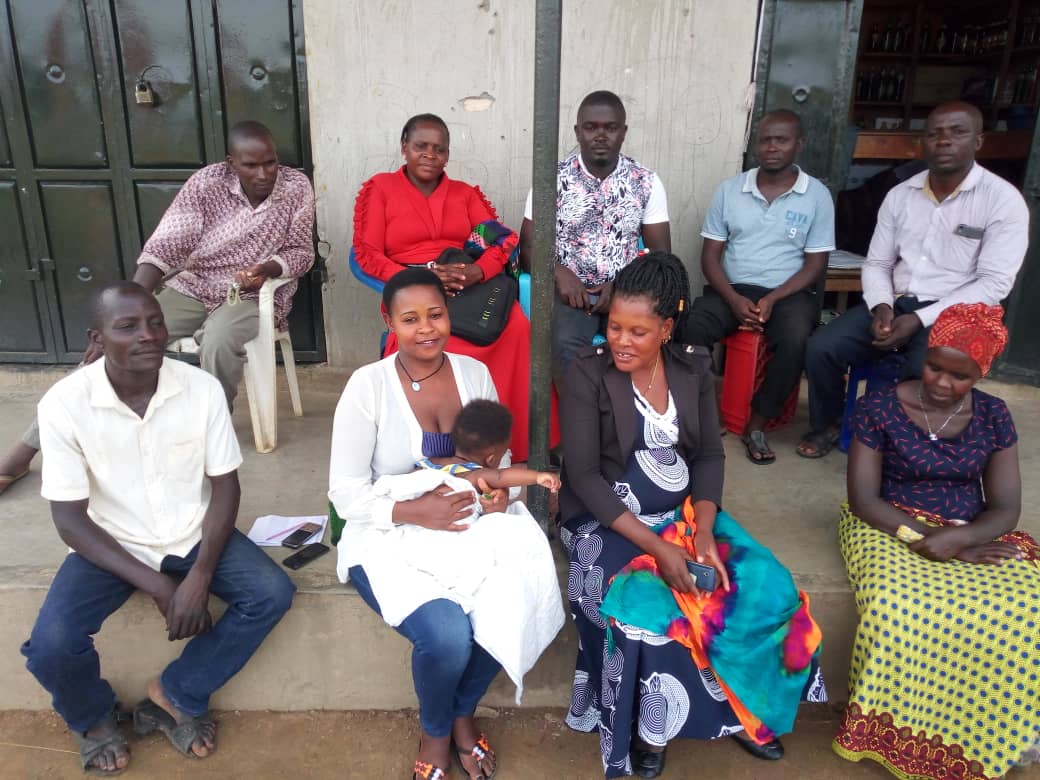
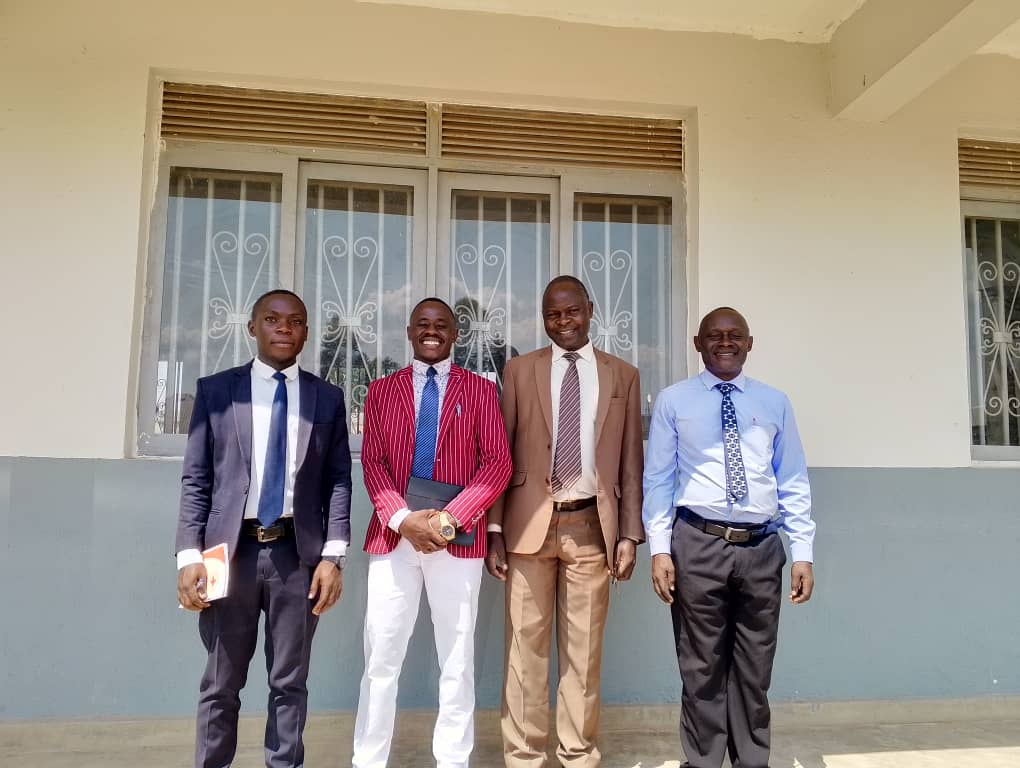
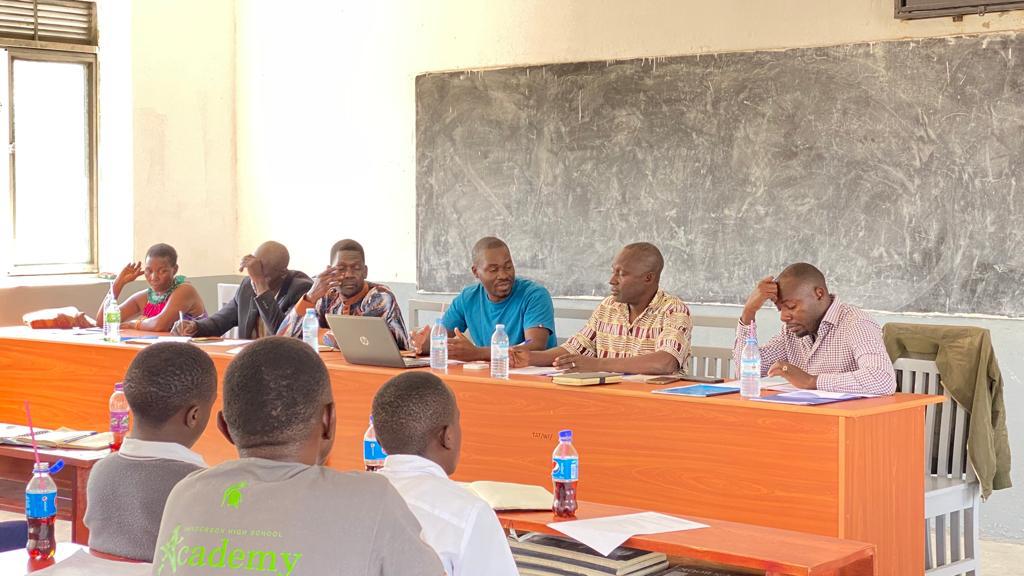
The TaSCA Kasasa Community Board (TKCB), comprised of Kasasa residents, states that their core aims for the TaSCA project are to:
1. Uplift educational standards through community inclusion;
2. Offer cultural, intercultural, and informal learning opportunities;
3. Guarantee affordable, sustainable, and reliable education that fits the needs of the community;
4. Facilitate access to financial support and literacy programming for all community members.
TaSCA Project Committee
Meet the leadership team the TKCB has selected manage the TaSCA project!
Mr. Charles Mukasa – is Secondary School Teacher by profession, and has been for over 25 years. He graduated with a Bachelor’s degree in Education Management from Makerere University. He has worked in numerous secondary schools in Uganda, been a members of multiple school boards, and headed several science departments. He currently manages a primary school in Kasangati Gayaza. He is a member of, and a secondary schools’ examiner at Ugandan National Examinations Board, specializing in the subjects of Biology, Chemistry and Physics. Charles brings to the TaSCA project a vital understanding of the national secondary schools’ curriculum, and the Uganda education system.
Teopista Nambirige – is a successful self-made business woman who works in the textile industry. Teopista owns a textile workshop in Kawempe town and teaches the children of Peace Africa skill-based trade in creative tailoring. Nambirige is also a member of the Women group SACCO under the Pride Micro Finance Bank – Kawempe branch. Nambirige’s success in business and skill-based practices has enabled her to play a large role in Peace Africa’s mission and will do the same for the TaSCA project.
Felix Alany – has been with Peace Africa since 2011. He is the Chief Executive and Finance Officer for Peace Africa, and is also a member of the finance committee on the Peace Africa Board. Alany graduated from Makerere University with his Diploma in Performing Arts and Film. Felix’s vast experience in financial management has enabled Peace Africa to make great strides and aims to do the same for TaSCA.
TASCA PROJECT PILLARS
Explained
The TaSCA project stands on three distinct, yet interconnected pillars. These pillars represent important civic sectors invested in the project’s success. Through shared interest and ownership, diversity leads to long-term sustainability.
Click below to learn more about TaSCA’s project pillars!
ACCOUNTABILITY
Below are the systems of accountability that have been developed by the community for the TaSCA project:
TaSCA CONFLICT OF INTEREST POLICY
TaSCA Project GOVERNING DOCUMENTS
TaSCA Process of Financial Accountability

Sustainability
Support for the TaSCA project through the InteRoots Initiative was only designed to cover (1) facility construction, (2) start up costs and materials, and (3) the first two years of operation. Beyond this initial grant, the TaSCA project is designed to be fully sustainable through its not-for-profit operational framework. This solvency is built upon three streams of revenue:
- The Secondary School will generate revenue through affordable tuition, some of which will be subsidized by the SACCO or indirectly supported through SACCO loans to community members.
- The SACCO will will collect fees from membership subscriptions as well as regulated interest collected on loans. A percentage of tuition will also be deposited into SACCO accounts for students, which will be accessible upon graduation through the Graduate Enterprise Fund.
- The ICPA will generate income through from domestic and international artistic engagements, as well as from rental of the performance space for social events.

TaSCA Coming to Life
The TaSCA project was was supported through 15 microgrants over four years. The community submitted accountability documents, financial statements, and narrative progress reports for each microgrant.
If you would like financial statements or information regarding the TaSCA project, please submit an enquiry to scott@interoots.org.